
Why Smart Operators Are Moving Towards Sub-50 CPM Canning Lines
The operators making moves right now aren’t chasing growth for its own sake. They’re tightening control over the things that actually determine whether a business survives a difficult stretch — margins, product quality, and the ability to get product out the door on their own schedule.
Packaging is where this is becoming most visible.
Control Is Starting to Matter More Than Convenience
Contract and mobile canning made sense for a long time. During periods of rapid growth or uncertainty, outsourcing packaging was a practical call. You kept capital free, stayed flexible, and let someone else worry about the equipment.
But conditions change. And when volumes stabilise, the real cost of that arrangement becomes harder to ignore.
Scheduling is never fully in your hands. Handling variability creeps in. Per unit costs that seemed reasonable at low volumes start compressing margin in ways that aren’t always obvious until you run the numbers properly.
More than the dollars though, there’s a dependency problem. And the better operators are becoming less comfortable with it.
A Measured Move In-House
The shift isn’t translating into aggressive capital spend.
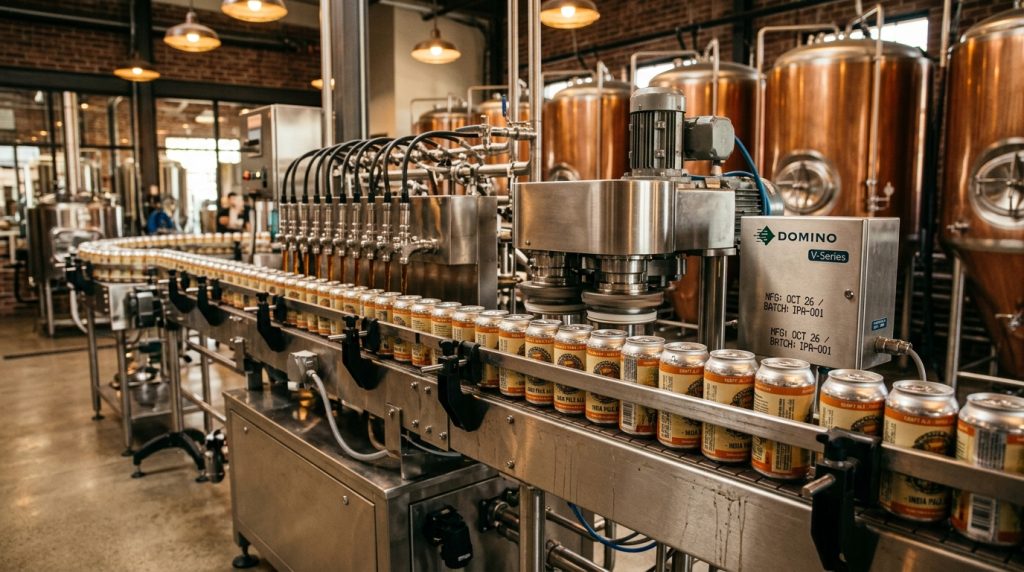
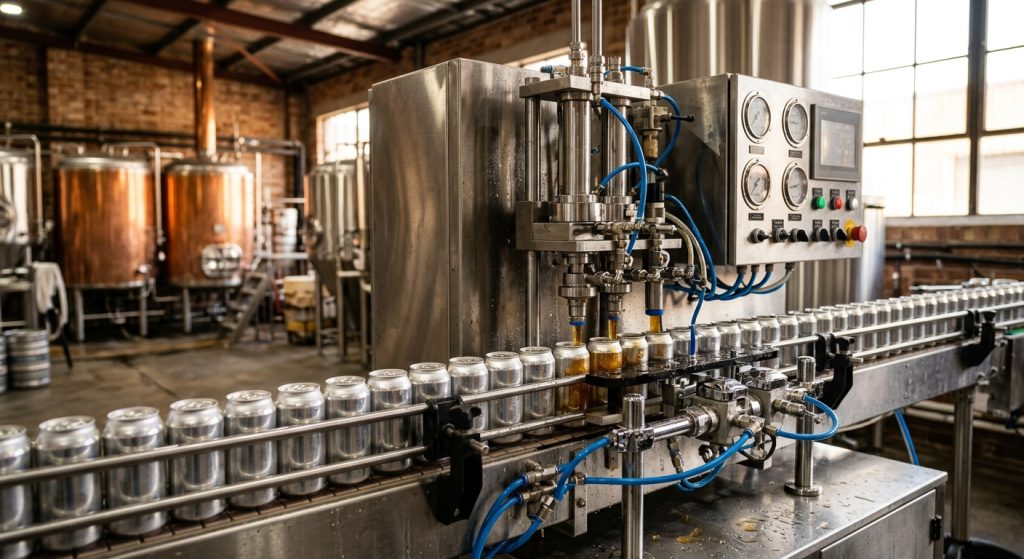
Nobody is rushing out to buy a 200 CPM line. What we’re seeing instead are calculated, deliberate moves toward smaller format in-house capability. Typically in the 15 to 40 CPM range. Standalone fillers. Compact turnkey lines. Equipment that fits the actual production volume rather than some aspirational future state.
We’ve placed several systems in this bracket recently. A number of them had been sitting dormant for some time before finding the right buyer — operators who weren’t looking for a bargain, but for the right piece of kit at the right moment in their business.
That timing is not accidental.
Right-Sizing as a Strategy
The goal isn’t maximum output. It never was for this type of operator.
The goal is enough capacity to bring packaging in-house without overcapitalising. Sub-50 CPM lines sit in a practical middle ground that’s becoming harder to argue against. Enough throughput to protect your schedule. Enough control to protect your product. A capital commitment that doesn’t bet the business.
For many producers, that balance is exactly what the current environment is calling for.
What This Signals
This isn’t a market trend in the conventional sense. There’s no headline driving it. No single catalyst.
It’s operational clarity — the kind that tends to emerge when conditions tighten and the operators who’ve been paying attention start acting on what they already knew.
The better businesses are adjusting early. They’re making incremental moves in the right direction and compounding the advantage over time. Equipment that sat overlooked for years is being reconsidered because the context around it has changed.
We’re currently seeing a steady flow of activity in this space, including opportunities that aren’t broadly advertised.
If you’re reviewing your packaging strategy, it’s worth having that conversation sooner rather than later. The window to act on the right equipment at the right price doesn’t stay open indefinitely.
Get in touch with the Craft Brewing Solutions team to discuss what’s currently available in the sub-50 CPM space.